Trace Labs Challenge #10
Decoding a Location from a Cryptic Message
Hey everyone — 404Yeti here, lacing up the snow boots for another Trace Labs challenge. ❄️
This one looks simple at first… but only if you recognize the trick.
Objective
Trace Labs is hosting a secret party, but instead of an address, they’ve left us with a cryptic code:
complains.bowls.fantasticOur mission: decode the message and identify the location.
Tools Used
- Google — reconnaissance and context
- what3words — decoding the location
- Google Maps — geographic confirmation
Step 1: Initial Recon — Search the Words
We start by doing what any investigator would do: search the words individually.
- complains
- bowls
- fantastic

Nothing meaningful appears.
🚨 This tells us something important:
These words are not descriptive, they’re encoded.
Step 2: Add Context — Search All Three Together
Next, we search the full string:
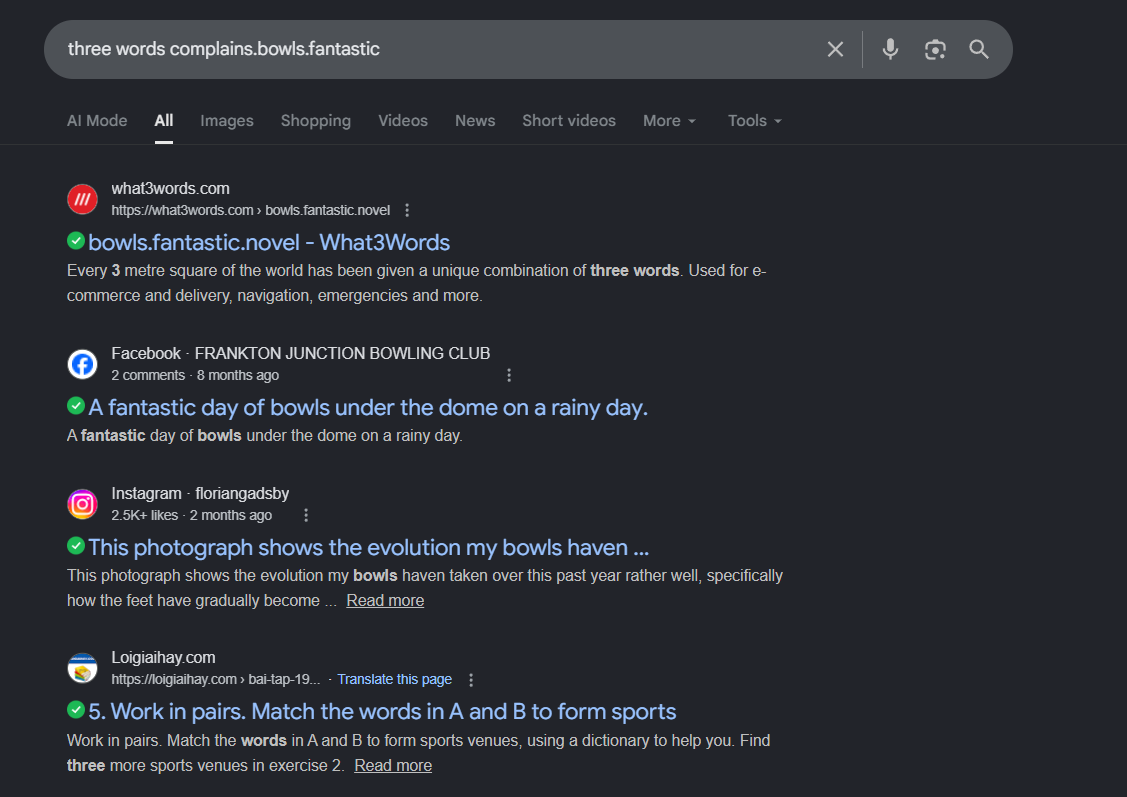
💥 Bingo.
One result immediately stands out: what3words.
This is a huge clue.

what3words is a geolocation system that divides the entire world into 3m x 3m squares, assigning each square a unique three-word address.
🧊 Yeti Tip:
If you ever see three random words separated by dots, always think what3words.
Step 3: Decode the Location
We head over to what3words and enter:
complains.bowls.fantastic
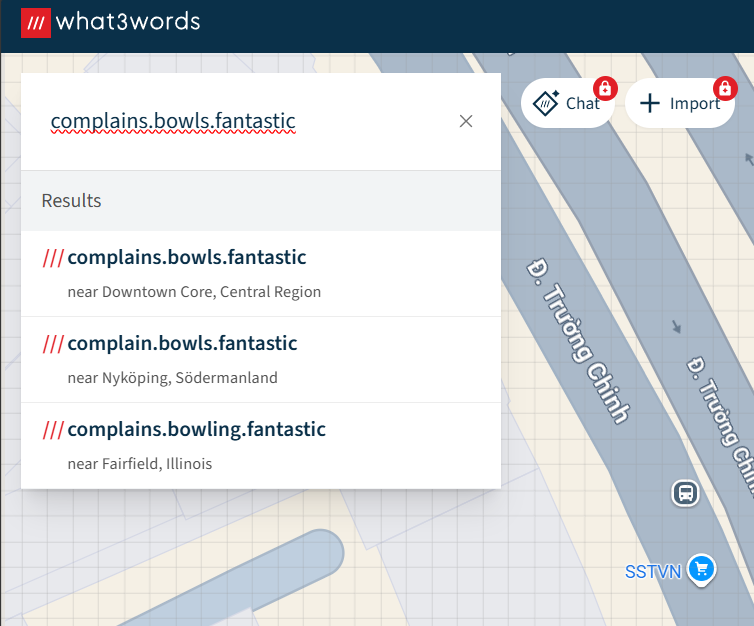
The result drops us exactly on a specific point:
👉 Merlion Park
Now we’re getting somewhere.
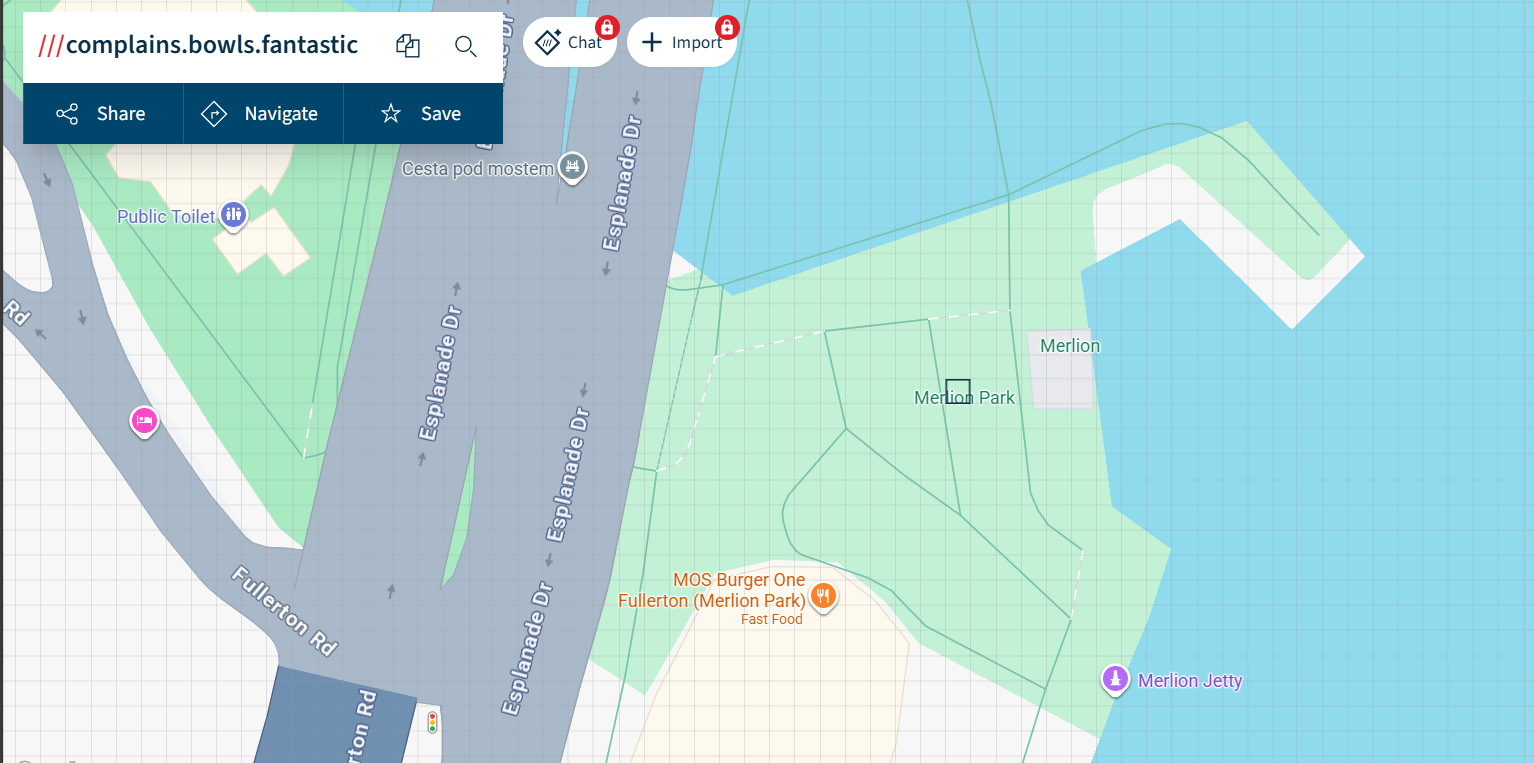
Step 4: Pivot to Google Maps
Next, we open Google Maps and search for Merlion Park.
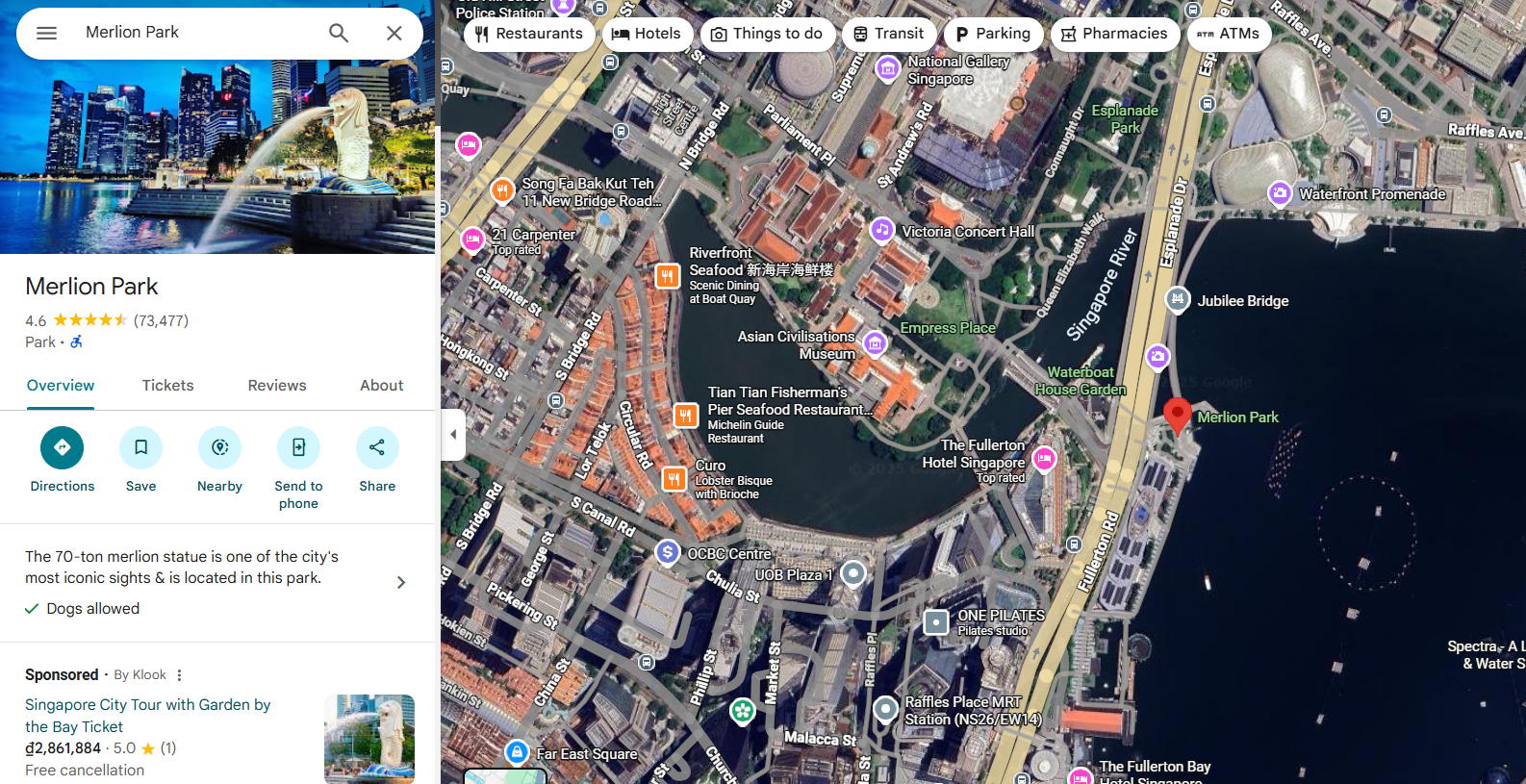
What we confirm:
- Located in Singapore
- A well-known public landmark
- Matches the precision expected from a what3words location

Dropping into Street View, we can clearly see:
- The iconic Merlion statue
- Open public space suitable for a “secret” meetup
- Clear pedestrian access
Everything checks out.
Final Answer: Merlion Park, Singapore
Why This Challenge Matters
This exercise highlights a critical OSINT lesson:
- Not all location clues look like addresses
- Modern investigations often use alternative geolocation systems
- Recognizing patterns (like what3words formatting) saves massive time
In real-world cases, these systems are used for:
- Emergency response
- Event coordination
- OSINT challenges (cleverly 😉)
🧊 Final Thoughts from the Yeti
This was a great reminder that OSINT isn’t just about searching harder — it’s about recognizing the language of the clue.
Three random words?
Not random at all.
Another challenge decoded, another party located.
404Yeti out. 🐾